


Spur Chrysler Dodge Jeep RAM

Blog / August 2025 Archives

August 2025 Archives

2025 Jeep Gladiator

Exploring the 2025 Jeep Gladiator Pickup Truck: Rugged Meets Refined

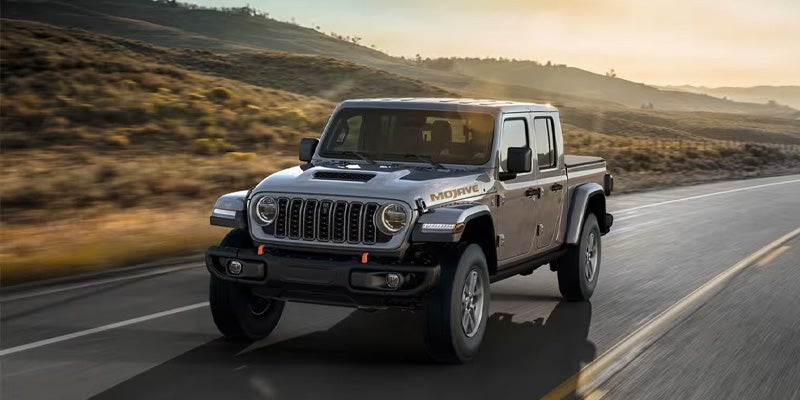
If you’ve ever wished your pickup truck could double as a trail-conquering off-road beast, the 2025 Jeep Gladiator might just be your dream come true. It’s not just a truck—it’s a lifestyle statement with serious capability. Built on the bones of the iconic Wrangler but stretched into a midsize pickup, the Gladiator blends open-air freedom with real-world utility in a way no other truck does. Let’s take a closer look at what makes the 2025 Gladiator stand out—and why it’s turning heads across Central Texas. Powertrain & Performance: Familiar Muscle, Fresh Moves Under the hood, the 2025 Gladiator sticks with Jeep’s tried-and-true 3.6L Pentastar V6, delivering 285 horsepower and 260 lb-ft of torque. This year, the eight-speed automatic transmission is standard across all trims—Jeep has officially retired the manual gearbox. While some may miss the stick shift, the automatic brings smoother shifts and better low-speed control, especially off-road. And yes, four-wheel drive is standard on every Gladiator, because anything less would be unthinkable. Off-Road Capability: Still the King of the Trail more Let’s be honest—if you’re buying a Gladiator, you’re probably not planning to keep it on pavement. And that’s where this truck shines. Solid front and rear axles for durability and articulation Removable doors and roof for open-air adventure High-clearance fender flares and 33-inch all-terrain tires on Mojave and Rubicon trims Fox shocks and hydraulic jounce dampers on Mojave X for desert running Whether you’re crawling through rocks or blasting across dusty ranch roads, the Gladiator handles it with confidence. The new Mojave X and Rubicon X trims offer even more trail-focused features, including full-time 4WD and premium interior upgrades. Utility & Towing: More Than Just a Weekend Toy Don’t let the Wrangler DNA fool you—the Gladiator is a real truck. With a maximum towing capacity of 7,700 lbs and a payload rating of up to 1,725 lbs, it’s ready to haul trailers, gear, or even livestock across Gatesville and beyond. The 5-foot steel bed is versatile enough for tools, camping gear, or a couple of dirt bikes. And thanks to the Gladiator’s longer wheelbase, it rides more smoothly than a Wrangler—though it’s still not quite a highway cruiser. Interior & Tech: Rugged Doesn’t Mean Rough Inside, the 2025 Gladiator gets a refresh with Jeep’s latest Uconnect infotainment system, available with a 12.3-inch touchscreen on higher trims. You’ll also find: Standard power windows and locks (finally!) Available Nappa leather upholstery on Mojave X Navigation, smartphone integration, and off-road pages Cabin air pre-conditioning via mobile app It’s still a Jeep, so expect some road noise and a firm ride—but the tech and comfort upgrades make it far more livable than earlier models. Trims & Customization: Built Your Way The 2025 Gladiator comes in seven trims: Sport, Sport S, Willys, Mojave, Rubicon, Mojave X, and Rubicon X. Each offers a distinct personality, from budget-friendly basics to full-blown off-road monsters. And because it’s a Jeep, customization is endless. Lift kits, winches, LED lighting, roof racks—you name it, Spur CDJR can help you build it. Final Thoughts: Is the Gladiator Right for You? The 2025 Jeep Gladiator isn’t for everyone—and that’s exactly the point. It’s for drivers who want a truck that can tow, haul, and hit the trail without sacrificing personality. If you’re in Central Texas and your weekends involve dirt, water crossings, or wide-open skies, the Gladiator might be your perfect match. Ready to explore one in person? Visit Spur CDJR in Gatesville and take the 2025 Gladiator for a test drive. We’ll help you find the trim, accessories, and financing that fit your lifestyle.
Service technician working on a tire rotation service

How Often Should You Rotate Your Tires in Texas?

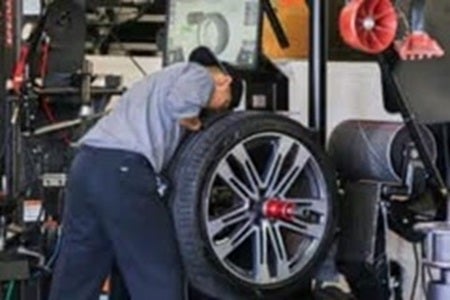
In Texas, where the roads stretch wide and the weather swings from scorching heat to sudden downpours, your tires take a beating. Whether you're cruising through Gatesville or hauling across Hill Country, tire rotation isn’t just a suggestion—it’s essential. But how often should you rotate your tires in Texas? Let’s dig into the facts, the local conditions, and the real-world impact on your vehicle. What Is Tire Rotation—and Why It Matters Tire rotation means moving each tire to a different position on your vehicle—typically front to rear, or side to side. The goal? To ensure even tread wear across all four tires. Why does this matter in Texas? Front tires wear faster on front-wheel-drive vehicles due to steering and braking. Uneven wear leads to poor handling, reduced fuel efficiency, and shorter tire life. Texas terrain and heat accelerate wear—especially on rough rural roads or hot highways. Rotating your tires regularly helps maintain traction, improve ride comfort, and extend the life of your tires. It’s one of the simplest ways to protect your investment. Recommended Rotation Schedule for Texas Drivers more Most manufacturers recommend rotating your tires every 5,000 to 8,000 miles. That often lines up with oil change intervals, making it easy to remember. However, Texas drivers should lean toward the 5,000-mile mark if they: Drive in extreme heat Tow trailers or haul heavy loads Navigate gravel, ranch roads, or uneven terrain Own performance or all-terrain tires If you’re unsure, check your owner’s manual or ask your service advisor at Spur CDJR. Some vehicles even have built-in maintenance reminders to help you stay on track. Rotation Patterns: Not One-Size-Fits-All The right rotation pattern depends on your vehicle’s drivetrain and tire type: Vehicle Type Recommended Pattern Front-Wheel Drive Forward Cross Rear-Wheel Drive Rearward Cross All-Wheel Drive X-Pattern or Front-to-Rear Directional Tires Front-to-Rear only If your tires are different sizes front-to-back (common on performance vehicles), rotation may be limited or require dismounting. Signs You’re Overdue for a Rotation Even if you’re tracking mileage, your tires might be telling you it’s time: Uneven tread depth between front and rear tires Vibration at highway speeds Pulling to one side while driving Reduced traction or longer braking distances If you notice any of these, schedule a rotation ASAP. It’s quick, affordable, and can prevent bigger issues down the road. Final Thoughts: Keep Your Tires Texas-Ready In a state as big and varied as Texas, tire rotation isn’t optional—it’s smart maintenance. Whether you’re driving a RAM 1500, Jeep Gladiator, or Dodge Durango, keeping your tires rotated every 5,000 miles helps you stay safe, save money, and enjoy a smoother ride. At Spur CDJR in Gatesville, we make it easy. Our certified technicians know your vehicle inside and out—and we’ll help you get the most out of every mile.

Adaptive Cruise Control Explained: Smarter Driving in Central Texas

If you’ve driven through Central Texas—whether it’s the long stretches of Highway 36 or the winding backroads near Gatesville—you know that driving here is equal parts freedom and fatigue. That’s where Adaptive Cruise Control (ACC) comes in. It’s not just a luxury feature anymore—it’s a game-changer for safety, comfort, and smarter driving. Let’s break down what it is, how it works, and why it matters for Texas drivers. What Is Adaptive Cruise Control? Adaptive Cruise Control is an advanced driver-assist feature that automatically adjusts your vehicle’s speed to maintain a safe following distance from the car ahead. Unlike traditional cruise control, which holds a fixed speed, ACC uses radar and camera sensors to monitor traffic and respond in real time. In the 2025 RAM 1500, for example, ACC with Stop-and-Go technology can even bring the truck to a complete stop in traffic and resume driving when conditions allow. That’s a big deal for drivers navigating stop-and-go traffic in Waco or Temple. How Does It Work? Here’s a simplified breakdown of how Adaptive Cruise Control functions: Radar sensors (usually mounted in the front grille) detect the distance and speed of vehicles ahead. Cameras help identify lane markings and traffic patterns. The system automatically slows down or speeds up to maintain a preset gap. In some models, like the Jeep Grand Cherokee or Dodge Durango, ACC can even handle stop-and-go traffic without driver input. It’s not autonomous driving—but it’s a big step toward smarter, safer road trips. Why It’s Perfect for Central Texas Roads more Driving in Central Texas presents unique challenges: Long rural highways with unpredictable traffic Sudden slowdowns near construction zones or small towns Fatigue from extended drives between cities Adaptive Cruise Control helps reduce driver stress by handling speed adjustments automatically. It’s especially useful on I-35 or US-84, where traffic can shift from 75 mph cruising to bumper-to-bumper in minutes. Which Spur CDJR Models Offer ACC? Many vehicles at Spur CDJR come equipped with Adaptive Cruise Control, including: Model ACC Availability RAM 1500 Available with Stop-and-Go Jeep Grand Cherokee Standard on higher trims Dodge Durango Available with Tech Package Chrysler Pacifica Standard on Limited trims Jeep Wagoneer/Grand Wagoneer Advanced ACC with lane centering If you’re unsure whether your vehicle has it—or want to upgrade—our team at Spur CDJR can walk you through your options. What ACC Doesn’t Do Let’s be clear: Adaptive Cruise Control is not autopilot. You still need to: Keep your hands on the wheel Stay alert to changing road conditions Be ready to brake manually if needed Also, ACC doesn’t use the brakes directly in most models—it adjusts throttle to slow down, unless paired with collision mitigation systems. Final Thoughts: Smarter Driving Starts Here Adaptive Cruise Control is more than a tech buzzword—it’s a practical tool for safer, smoother driving across Central Texas. Whether you’re commuting to Killeen or hauling a trailer out to the ranch, ACC helps you stay focused, relaxed, and in control. Ready to experience it for yourself? Visit Spur CDJR in Gatesville and test drive a vehicle equipped with Adaptive Cruise Control. We’ll show you how it works—and why it’s worth it.

2025 RAM 1500

RAM 1500 vs RAM 2500: Which Truck Should You Choose?

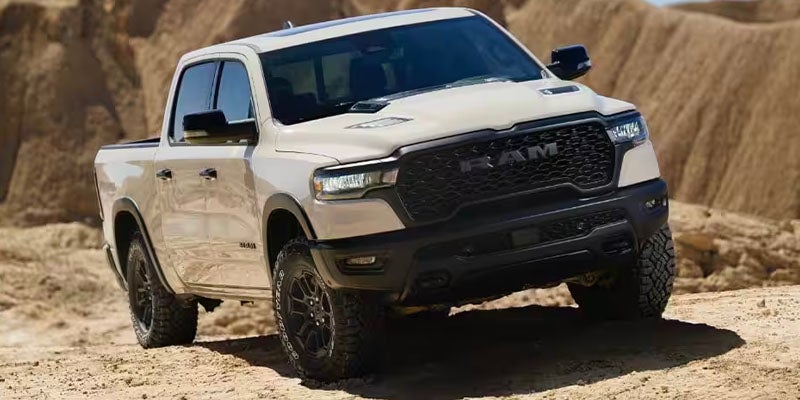
If you're shopping for a truck in Central Texas, chances are you're torn between two heavy-hitters: the RAM 1500 and the RAM 2500. Both offer serious capability, bold styling, and modern tech—but they’re built for very different lives. Whether you're hauling feed across Gatesville ranches or commuting to Waco, choosing the right truck starts with knowing what each one does best. Let’s break it down. RAM 1500: Light-Duty Luxury Meets Everyday Muscle The 2025 RAM 1500 is no slouch. It’s a light-duty pickup that blends comfort, capability, and fuel efficiency in a way that makes it ideal for daily drivers and weekend warriors. Key Highlights: Towing Capacity: Up to 12,750 lbs when properly equipped Payload: Around 2,321 lbs Engine Options: New twin-turbo inline-six engines with up to 540 horsepower Cabin Space: Crew Cab offers 132 cu. ft. of passenger volume—more than the 2500 Fuel Economy: Better MPG than its heavy-duty siblings, averaging around 23 MPG combined The RAM 1500 is perfect for drivers who want a truck that feels like a luxury SUV inside but can still tow a boat or haul a load of lumber. It’s quieter, smoother, and more refined than most pickups in its class. RAM 2500: Built for Big Jobs and Bigger Loads The 2025 RAM 2500 steps into the heavy-duty arena with serious muscle. If your truck is a tool—not just a ride—this is where you want to be. Key Highlights: Towing Capacity: Up to 20,000 lbs with the Cummins diesel Payload: Up to 4,000 lbs Engine Options: Standard 6.4L HEMI V8 (405 hp), optional 6.7L Cummins diesel (430 hp, 1,075 lb-ft torque) Cab Configurations: Regular, Crew, and Mega Cab options Suspension: Stiffer setup for better load handling The RAM 2500 is built for ranchers, contractors, and anyone who needs to tow trailers, equipment, or livestock. It’s not as plush as the 1500, but it’s a workhorse through and through. Which RAM Truck Is Right for You? more Here’s a quick decision guide: Feature RAM 1500 RAM 2500 Best For Daily driving, light towing Heavy-duty work, serious towing Towing Capacity Up to 12,750 lbs Up to 20,000 lbs Payload ~2,321 lbs ~4,000 lbs Ride Comfort Softer, more refined Stiffer, work-focused Fuel Economy Better MPG Lower MPG, more torque Cabin Space Larger Crew Cab (132 cu. ft.) Smaller Crew Cab, Mega available Final Thoughts: RAM 1500 vs RAM 2500 in Gatesville If you’re looking for a truck that handles daily life with style and strength, the RAM 1500 is your go-to. But if your truck needs to earn its keep—towing trailers, hauling heavy loads, and working hard—the RAM 2500 is built for the job. Still unsure? Come test drive both at Spur CDJR in Gatesville. We’ll help you find the perfect fit for your lifestyle, your workload, and your budget.

Contact Us

Fill out this form below and we'll contact you shortly
*Required Fields
Service New Used
Call Us Today