





In Texas, where the roads stretch wide and the weather swings from scorching heat to sudden downpours, your tires take a beating. Whether you’re cruising through Gatesville or hauling across Hill Country, tire rotation isn’t just a suggestion—it’s essential.
But how often should you rotate your tires in Texas? Let’s dig into the facts, the local conditions, and the real-world impact on your vehicle.
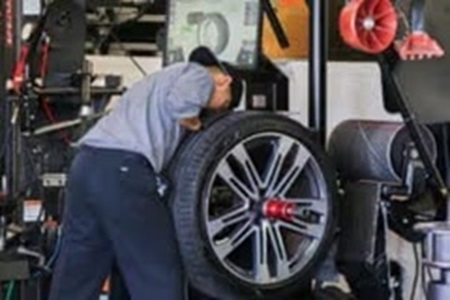
What Is Tire Rotation—and Why It Matters
Tire rotation means moving each tire to a different position on your vehicle—typically front to rear, or side to side. The goal? To ensure even tread wear across all four tires.
Why does this matter in Texas?
- Front tires wear faster on front-wheel-drive vehicles due to steering and braking.
- Uneven wear leads to poor handling, reduced fuel efficiency, and shorter tire life.
- Texas terrain and heat accelerate wear—especially on rough rural roads or hot highways.
Rotating your tires regularly helps maintain traction, improve ride comfort, and extend the life of your tires. It’s one of the simplest ways to protect your investment.
Recommended Rotation Schedule for Texas Drivers
Most manufacturers recommend rotating your tires every 5,000 to 8,000 miles. That often lines up with oil change intervals, making it easy to remember.
However, Texas drivers should lean toward the 5,000-mile mark if they:
- Drive in extreme heat
- Tow trailers or haul heavy loads
- Navigate gravel, ranch roads, or uneven terrain
- Own performance or all-terrain tires
If you’re unsure, check your owner’s manual or ask your service advisor at Spur CDJR. Some vehicles even have built-in maintenance reminders to help you stay on track.
Rotation Patterns: Not One-Size-Fits-All
The right rotation pattern depends on your vehicle’s drivetrain and tire type:
| Vehicle Type | Recommended Pattern |
|---|---|
| Front-Wheel Drive | Forward Cross |
| Rear-Wheel Drive | Rearward Cross |
| All-Wheel Drive | X-Pattern or Front-to-Rear |
| Directional Tires | Front-to-Rear only |
If your tires are different sizes front-to-back (common on performance vehicles), rotation may be limited or require dismounting.
Signs You’re Overdue for a Rotation
Even if you’re tracking mileage, your tires might be telling you it’s time:
- Uneven tread depth between front and rear tires
- Vibration at highway speeds
- Pulling to one side while driving
- Reduced traction or longer braking distances
If you notice any of these, schedule a rotation ASAP. It’s quick, affordable, and can prevent bigger issues down the road.
Final Thoughts: Keep Your Tires Texas-Ready
In a state as big and varied as Texas, tire rotation isn’t optional—it’s smart maintenance. Whether you’re driving a RAM 1500, Jeep Gladiator, or Dodge Durango, keeping your tires rotated every 5,000 miles helps you stay safe, save money, and enjoy a smoother ride.
At Spur CDJR in Gatesville, we make it easy. Our certified technicians know your vehicle inside and out—and we’ll help you get the most out of every mile.
Connect with us


- 2024
- 2024 Jeep Grand Cherokee
- 2024 Jeep Wrangler
- 2025
- Chrysler
- Chrysler Pacifica
- Dodge Hornet
- Gatesville Chrysler Dealer
- Gatesville Chrysler Service
- Gatesville Dodge Dealer
- Gatesville Used Cars
- Jeep Dealer Gatesville, TX
- Jeep Gladiator
- Jeep Grand Cherokee
- Jeep Wrangler
- Mopar Accessories
- RAM 1500
- RAM 2500
- RAM 3500
- Spur CDJR Gatesville, TX
- Spur Chrysler Dodge Jeep Ram Service
- Uncategorized